

In deze editie van FT. Culture pakken we het nét iets anders aan. Vanaf nu duiken we met een maandelijkse regelmaat dieper in één specifieke trend. Want achter elke virale grap of microtrend schuilt een bredere beweging en die willen we begrijpen.


Graag jullie aandacht voor The Performative Male trend. Wat begon als een luchtige internetmeme over mannen die hun gevoeligheid, smaak of authenticiteit net iets te bewust etaleren, is uitgegroeid tot een cultureel fenomeen. Van ironische TikToks tot performative male contests: de trend legt genadeloos bloot hoe echtheid zélf een performance is geworden.
Waarom het nu zo’n hype is? Omdat Gen Z en Alpha zich herkennen in de spanning tussen echt en onecht. De trend zegt iets over hoe deze generatie omgaat met identiteit, ironie en zelfbewustzijn.
En, een kleine update binnen FT. Culture zelf! We verwelkomen Maria Levengarts-Karo in het panel: 'Hi! I guide our team and projects to stay sharp, relevant, and culturally in tune. From the latest trends to broader shifts in culture, I make sure our work feels connected to the moment and keeps brands coming back for more.'
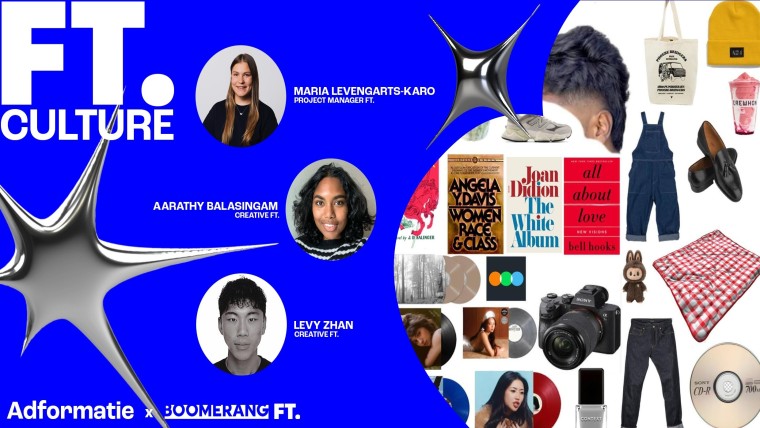
Matcha, bell hooks en de drang om origineel te lijken
De Performative Male-trend verspreidt zich razendsnel op TikTok en Instagram. Het draait om het satirisch uitvergroten van mannen die hun smaak of houding vooral kiezen om indruk te maken – of het nu gaat om literaire interesses, matcha of een zorgvuldig samengestelde garderobe. De grap: ze willen origineel lijken, maar zijn juist herkenbaar geworden in hun poging om authentiek te zijn.
De trend raakt een kern van Gen Z en Alpha, die echtheid belangrijk vinden maar net zo goed genieten van ironie en zelfspot. Het is tegelijk een sneer naar sociaal wenselijk gedrag én een spiegel voor een generatie die haar identiteit steeds opnieuw vormgeeft.
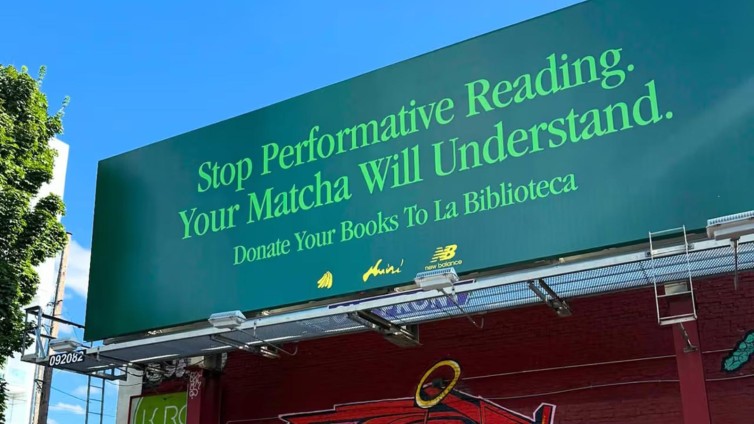
Ondertussen is het fenomeen groter dan losse video’s. Er bestaan zelfs performative male contests waarin mannen zichzelf vrijwillig parodiëren. Merken spelen mee: New Balance deed dat slim met artiest Aminé via het billboard Stop performative reading. Your matcha will understand — humoristisch, zelfbewust en cultureel raak.
De les voor merken? Deze generatie prikt direct door alles heen wat te gemaakt voelt. Meedoen mag, zolang het met genoeg zelfbewustzijn gebeurt. Deze trend benadrukt hoe sterk authenticiteit én de ironie eromheen het culturele speelveld bepalen.
Performative male trend-voorbeelden:
‘We weten dat het allemaal een performance is – en dat is oké’
Aarathy Balasingam: 'Ik vind de Performative Male-trend echt geweldig, vooral omdat het zó spot-on laat zien hoe Gen Z en Gen Alpha naar de wereld (en naar zichzelf) kijken. Er zit iets fascinerends in hoe we onszelf én anderen continu analyseren, terwijl we ondertussen alles met humor relativeren. De trend is grappig, maar ook heel herkenbaar. Iedereen kent wel iemand die net iets te hard probeert om nonchalant over te komen. En stiekem zijn we het allemaal een beetje zelf, want niemand wilt cringe zijn.
Wat ik er vooral goed aan vind, is dat het niet alleen een grap is over mannen of over social media, maar ook een kleine sneer naar consumerism. Alles, van je boekenplank tot je matcha, is tegenwoordig een statement. En de trend draait dat volledig om: het zegt eigenlijk, we weten dat het allemaal een performance is, maar we gaan er tenminste eerlijk over zijn en erom lachen. Dat vind ik heel verfrissend in een tijd waarin authenticiteit vaak voelt als een marketingstrategie.'
Maria Levengarts-Karo: 'Love these kinds of satirical trends! They capture a real cultural shift. Not long ago, the internet mocked toxic masculinity and alpha behaviour. Now some men try so hard not to be that guy that they end up performing sensitivity in search of validation. That irony is exactly why this trend works and why it was so quickly picked up by creators, even inspiring Performative Male competitions. It is light-hearted, relatable and lets people laugh at curated vulnerability. It fits perfectly with Gen Z’s humour, which is ironic, self-aware and never too serious.'
Levy Zhan: 'The Performative Male isn’t just another passing trend, although it behaves like one, much like everything else these days. It acts as a mirror more than anything. What started as a quiet observation of men adopting certain signifiers such as wired headphones, tote bags, Labubus, matcha, bell hooks, has escalated into complete absurdity. People are organising contests, creators online have picked it apart; turning it into a running joke about men performing depth to seem more desirable. We are curating once again authenticity.
Gen Z is approaching it with a mix of amusement and exhaustion. The humour works because it exposes how even self-awareness has become a kind of act. We laugh at it to deal with it; collectively going against this aesthetic until it drowns under its own irony. The Performative Male has turned into an overarching category for cultural signifiers that once represented rebellion but are now just recycled aesthetics. Authenticity has become performance art.
Like any trend, it will fade, or return later wearing a slightly different outfit. Gen Z’s cultural literacy means they will drop interest the moment something feels forced or labelled “performative.” That’s the cycle. The trend really points to something deeper: we’re all just tired of pretending not to be pretending. The Performative Male is simply another reminder that in the attention economy, everything eventually turns into content.'
Merken die meedoen aan de grap (zonder er zelf één te worden)
Aarathy Balasingam: 'Merken die deze trend slim oppakken, doen dat door niet té hard te proberen mee te doen. New Balance snapte dat bijvoorbeeld goed met de Stop performative reading-billboard. Het is grappig, zelfbewust en voelt alsof ze de grap begrijpen, niet alsof ze hem proberen te claimen. Daar zit voor mij het verschil tussen cultureel meedoen en cultureel uitglijden.
Wat ik vooral hoop, is dat merken deze trend niet doodanalyseren of te serieus nemen. Want dat is juist het punt: het ís niet serieus. De kracht zit in het zelfbewustzijn en de ironie. Zolang ze dat aanhouden – een beetje meedoen, een beetje om zichzelf lachen – blijven ze geloofwaardig. Zodra ze het proberen te ownen, zijn ze precies datgene wat de trend belachelijk maakt: performatief.'
Maria Levengarts-Karo: 'The New Balance × Aminé campaign is a great example of how humour and trend awareness can strengthen a brand’s cultural credibility. The campaign leaned into "performative reading", using irony and a book donation initiative to join the joke and add something tangible to it. It resonated because it mirrored what people were already laughing about online, while most brands still approach irony with caution, afraid to misread the tone.
This kind of trend works best for lifestyle, fashion, and creative brands that already speak the same language as their audience. It also points to something bigger, as more conversations unfold online about performative behaviours and how people curate idealised versions of themselves. The real opportunity for brands lies in recognising that irony and turning it into connection by joining the social conversation. It’s important to note that it worked so well for New Balance because their brand language already fits the same ironic, self-aware tone this trend playfully teases.'
Levy Zhan: 'This is where brands need to be smart, not by jumping on the joke, but by standing next to it. The real opportunity lies in offering an alternative, proof that sincerity still exists somewhere. The Performative Male exposes a clear gap in how masculinity is framed, one shaped by the performative gender norms we all keep feeding. Men aren’t faking it for fun; they’re reacting to pressure.
Brands can help shift that narrative by redefining what “aspirational” looks like, empathy, emotional depth, honesty. No need to turn it into advocators for the men suffering from the loneliness epidemic; just tell better, non-harmful stories. Campaigns that show men as multi-dimensional, already do a lot. According to WARC, brands that portray men positively see stronger performance. IKEA’s The Wonderful Everyday, which earned a nomination for Most Effective Ad in the UK at the 2024 Effies, is proof that grounded authenticity works. In a culture that’s hyper-aware of every form of performance, the most radical move a brand can make is to practice what they preach.'
Tussen zelfspot en zelfinzicht: waarom deze trend blijft hangen
De Performative Male is meer dan een grap over mannen die matcha drinken en Bell Hooks citeren. Het is een lens op hoe Gen Z en Alpha omgaan met authenticiteit in een tijd waarin alles zichtbaar en deelbaar is. Wat duidelijk is, is dat we de trend zien als een reflectie van iets groters: de vermoeidheid met doen alsof, gecombineerd met een gezonde dosis ironie om ermee om te gaan.
Voor merken betekent dat twee dingen. Eén: wie te veel probeert, verliest. Twee: wie snapt dat humor, zelfbewustzijn en echtheid hand in hand gaan, kan wél relevant blijven. De Performative Male is niet zozeer een waarschuwing, maar een reminder: in een wereld vol performances wint degene die durft toe te geven dat het allemaal een beetje gespeeld is.
Zie jij een trend voorbijgaan die het verdient om ontleed te worden? Drop ‘m in de comments of slide in onze DM’s @boomerangft op Instagram/TikTok.








Reacties:
Om een reactie achter te laten is een account vereist.
Inloggen Abonneer nu